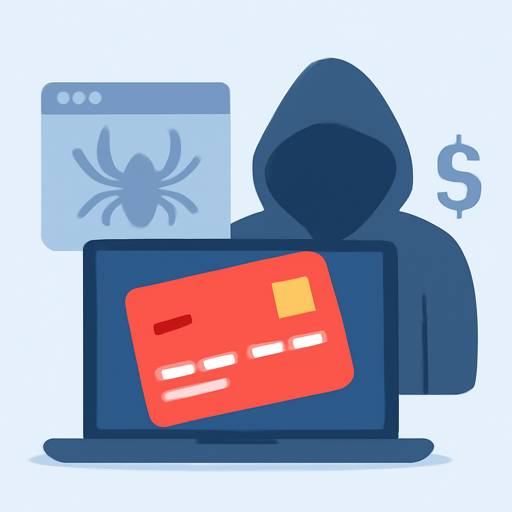
The illusion behind “legitimate” CC marketplaces and why they don’t exist
Searches that promise dark web legit cc vendors, “authentic cc shops,” or the “best sites to buy ccs” trade on a dangerous myth: that stolen payment data can be sold in a “trustworthy,” risk‑free way. In reality, there is no such thing as a “legit” marketplace for criminal goods. Every so‑called shop is built on theft—compromised accounts, breached databases, and point‑of‑sale malware that siphons card details from unsuspecting victims. The criminal promise of order guarantees and refunds is a marketing veneer designed to draw newcomers into a machine that exploits cardholders, merchants, banks, and ultimately, anyone who becomes entangled in it.
These ecosystems advertise “CVV” packs, “dumps,” and “fullz” (full identity records), attempting to formalize crime with categories, ratings, and escrow systems. The result is an industrialized pipeline: data is stolen via phishing kits, infostealers, ATM skimmers, and merchant breaches; brokers and “shops” list it; resellers and end‑buyers try to monetize it through card‑not‑present fraud, cash‑outs, or money mule networks. This hierarchy can look sophisticated, yet it is chronically unstable. Exit scams—where operators vanish with user funds—are common. Law enforcement infiltration and marketplace takedowns happen regularly. And behind every listing is a real person whose financial stability and privacy have been violated.
Even if a marketplace survives for a time, participants face cascading risks. Newcomers lured by phrases like legit sites to buy cc, “best ccv buying websites,” or “legitimate cc shops” are frequently defrauded by the very sellers they hope to trust. Many offerings are recycled, dead, or honey‑potted by investigators. Malware‑rigged download links, spoofed “verifier” tools, and fake escrow pages are routine. In short, what looks like a functioning economy is a trap layered atop a felony, with the highest probability outcomes being: you lose money, you expose your identity, and you incur severe legal jeopardy.
Legal, financial, and personal fallout: why chasing “best CCV buying websites” backfires
Participating in carding or purchasing stolen data is illegal in virtually every jurisdiction. Offenses can encompass identity theft, wire fraud, computer misuse, access‑device fraud, and money laundering. Penalties can include steep fines, restitution, forfeiture, and imprisonment. Because stolen card data often crosses borders, cases may involve international cooperation, extradition exposure, and stacked charges. High‑profile takedowns—like coordinated operations against Joker’s Stash, DarkMarket, and Carder forums—show that “hidden” markets are not invisible. Investigators use undercover buys, blockchain analytics, traffic correlation, and informants. Chasing what appears to be “authentic cc shops” is not clever; it’s a paper trail.
Beyond criminal liability, the operational risk is brutal. Purchasing stolen data often requires interacting with unvetted intermediaries, using unstable cryptocurrencies through traceable exchanges, and downloading tools riddled with stealers and remote‑access trojans. A single misstep can leak device fingerprints, IP history, and wallet data. Many “methods” guides double as social‑engineering lures or contain embedded malware that exfiltrates credentials. The house wins twice: first by selling junk data, and again by compromising the buyer. Meanwhile, victims—cardholders and merchants—suffer real costs: chargebacks, account closures, credit monitoring, and time lost to remediation. Banks absorb fraud losses that ultimately raise costs for everyone.
The personal ramifications extend further. Employers increasingly run digital‑footprint checks for security‑sensitive roles. Being linked to terms like “legit sites to buy cc” or “best sites to buy ccs,” even in private chatrooms, can surface in investigations. Data leaks from shuttered marketplaces—usernames, PGP keys, messaging handles—have reappeared in case filings and breach dumps. What begins as a misguided search for a “deal” or a “test purchase” can easily become a permanent marker of poor judgment. The notion of “low risk” is a sales tactic, not an assessment. The only reliable, risk‑free strategy is to avoid the ecosystem entirely.
What to do instead: protective steps for consumers and businesses who want to reduce fraud
Rather than chasing the mirage of “legitimate cc shops,” channel that curiosity into concrete security improvements that make stolen data less useful and minimize downstream harm. For consumers, start with layered basics: enable multi‑factor authentication on banks, email, and cloud accounts; use long, unique passwords via a reputable manager; turn on transactional alerts for card charges; and prefer virtual card numbers or tokenized mobile wallet payments at checkout. Place credit freezes with bureaus to reduce new‑account fraud, and consider opt‑in account notifications for foreign or card‑not‑present transactions. If a merchant offers it, use 3‑D Secure flows that add an extra verification step for online purchases.
Monitor statements weekly and dispute anomalies immediately; rapid reporting limits losses and strengthens bank investigations. Be skeptical of unsolicited messages—no bank will ask for your one‑time code via email or text. When shopping online, verify the merchant’s domain, avoid clicking through ads for unfamiliar brands, and consider using privacy‑preserving email aliases unique to each retailer. If you suspect compromise, replace cards and review saved‑payment vaults across major merchants. For identity‑level incidents, file reports with appropriate consumer‑protection agencies and follow established remediation checklists.
Businesses should harden the entire payment journey. Enforce PCI DSS controls proportionate to data exposure; prefer point‑to‑point encryption and network segmentation to limit the “blast radius” of a breach. Adopt EMV, tokenization, and dynamic data authentication to reduce counterfeit and reuse value. Instrument anomaly detection around checkout (device fingerprinting, velocity checks, behavioral analytics) and apply step‑up verification selectively. Implement strong secrets management for API keys and rotate credentials. Train staff to recognize social engineering, and regularly test point‑of‑sale systems for skimmers or unauthorized peripherals. A mature incident‑response plan—with rehearsed playbooks, forensic readiness, and communication templates—can turn a bad day into a contained event, protecting customers and brand equity.
There is also a civic angle. Sharing Indicators of Compromise with Information Sharing and Analysis Centers (ISACs) or relevant industry groups amplifies collective defense. Coordinating with payment processors, banks, and law enforcement after suspicious spikes can accelerate card reissues and fraud suppression. The most effective way to undercut the appeal of phrases like dark web legit cc vendors, “authentic cc shops,” or “best ccv buying websites” is to make stolen data hard to monetize, detect abuse quickly, and support victims promptly—and to promote a culture that understands there is no “legit” shortcut in crime.